From the first GIS plan through civil works to final optical validation, we deliver Fiber-to-the-Home networks as a fully integrated in-house service. Every network level connects seamlessly – for a fast, clean and fully documented rollout.
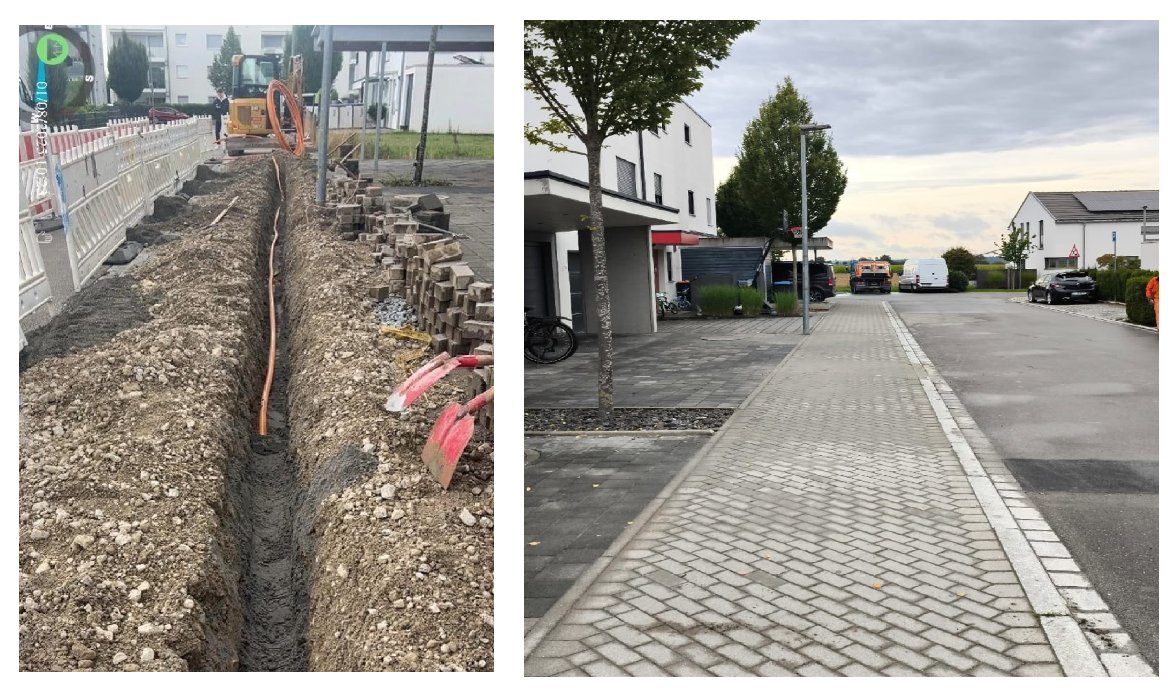
Planning and construction of the main arteries of your fiber network.
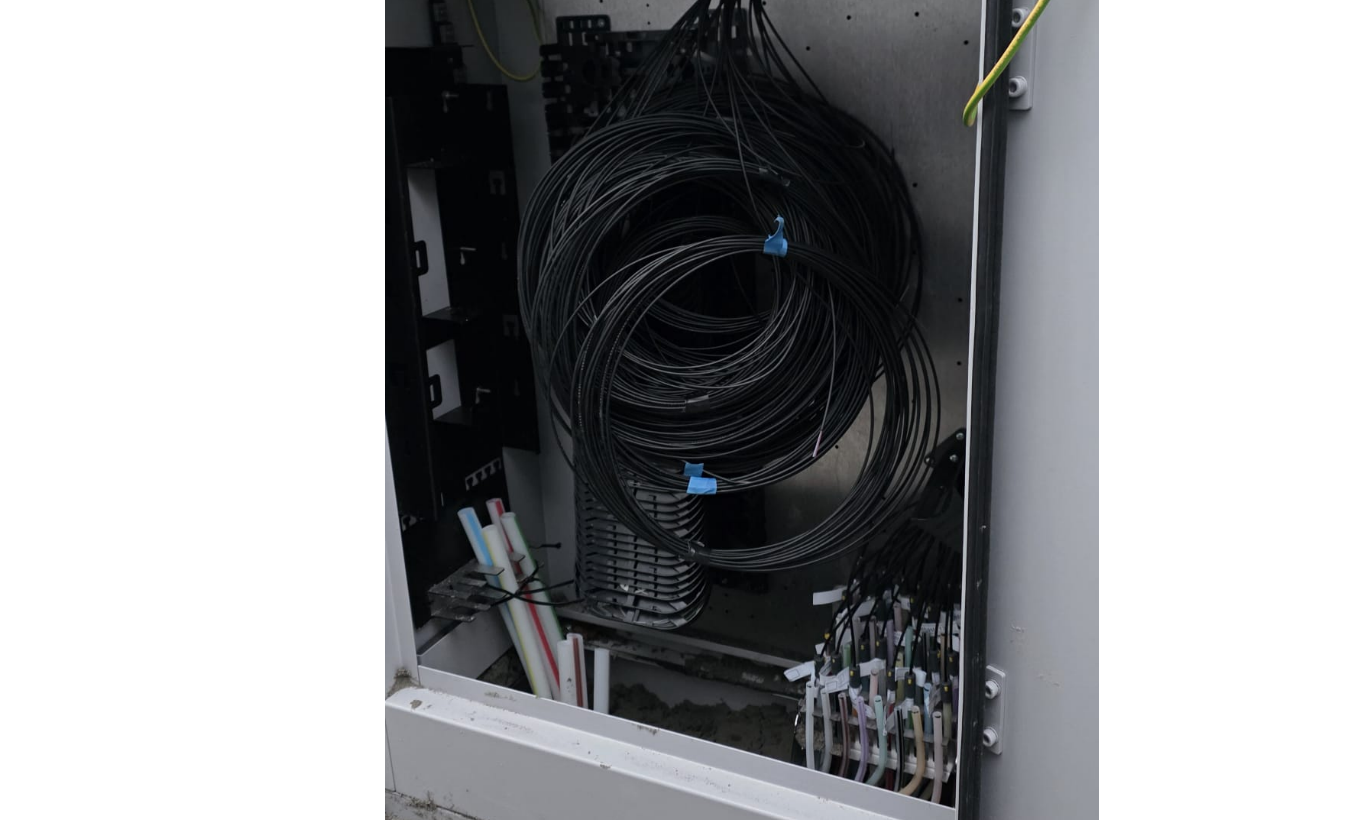
Distribution from the core network into local access areas.
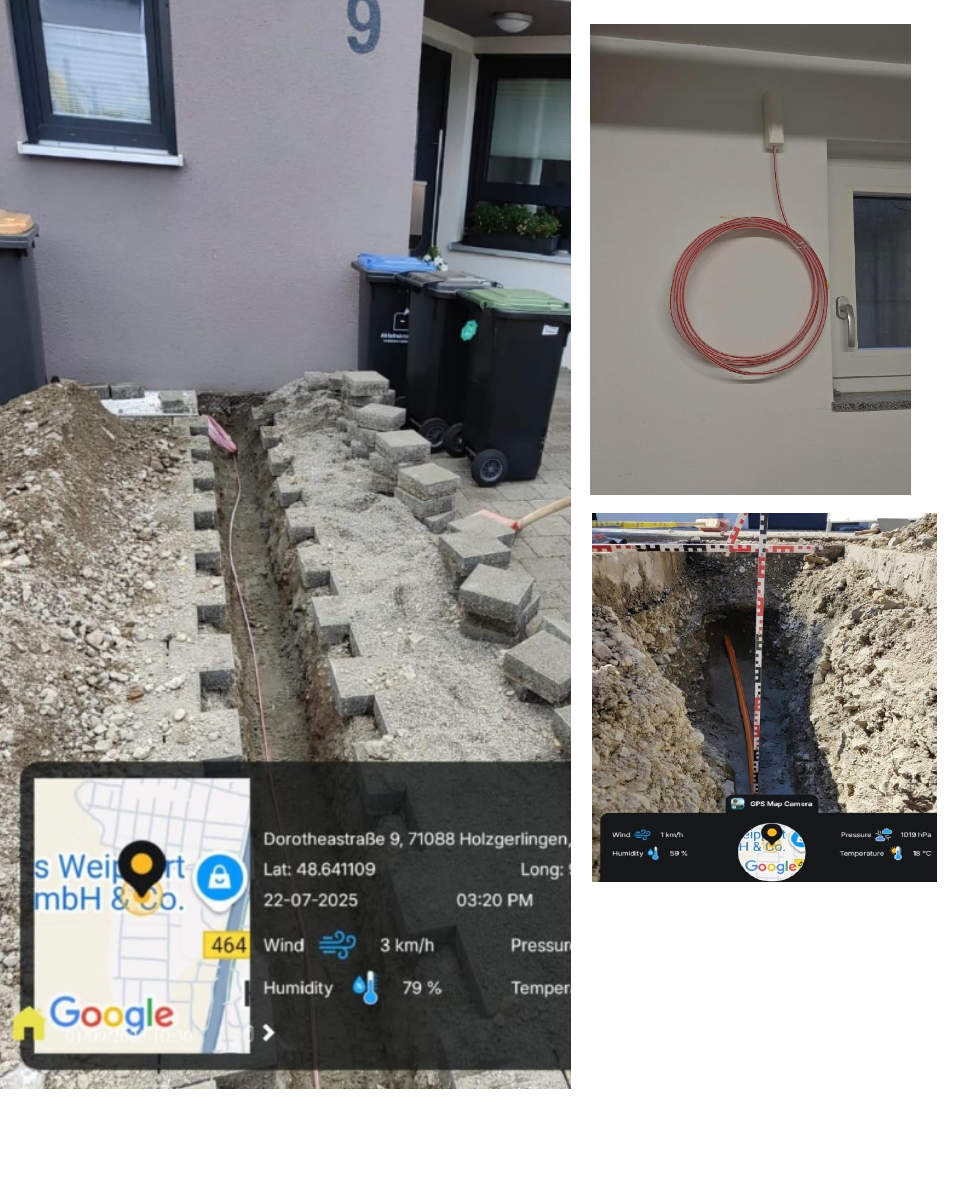
Direct connection of end customers to the fiber network.
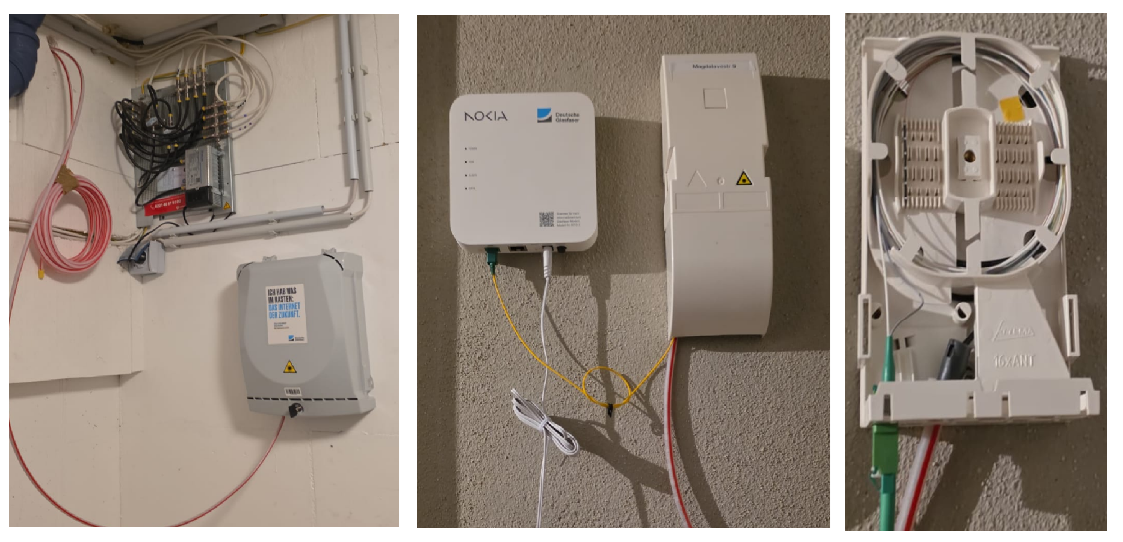
Final installation and commissioning at customer premises.
Traditional civil contractors work with paper plans and disconnected data silos. GlasRoute runs every project end-to-end in digital form: through our project platform NexPM we connect planning, civil works, fiber blowing, splicing and acceptance into a single, audit-proof data flow – live and transparent for everyone involved.
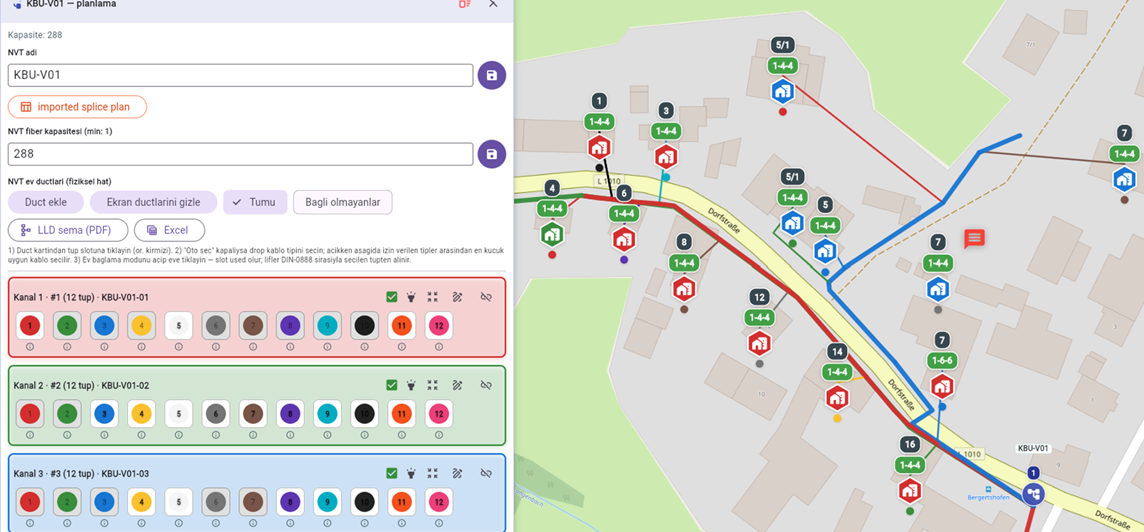
HLD/LLD route planning directly on the map: fiber capacities, duct and tube allocation and home connections are planned with geometric precision and evaluated for home-pass optimization. Splice plans can be imported and mapped automatically.
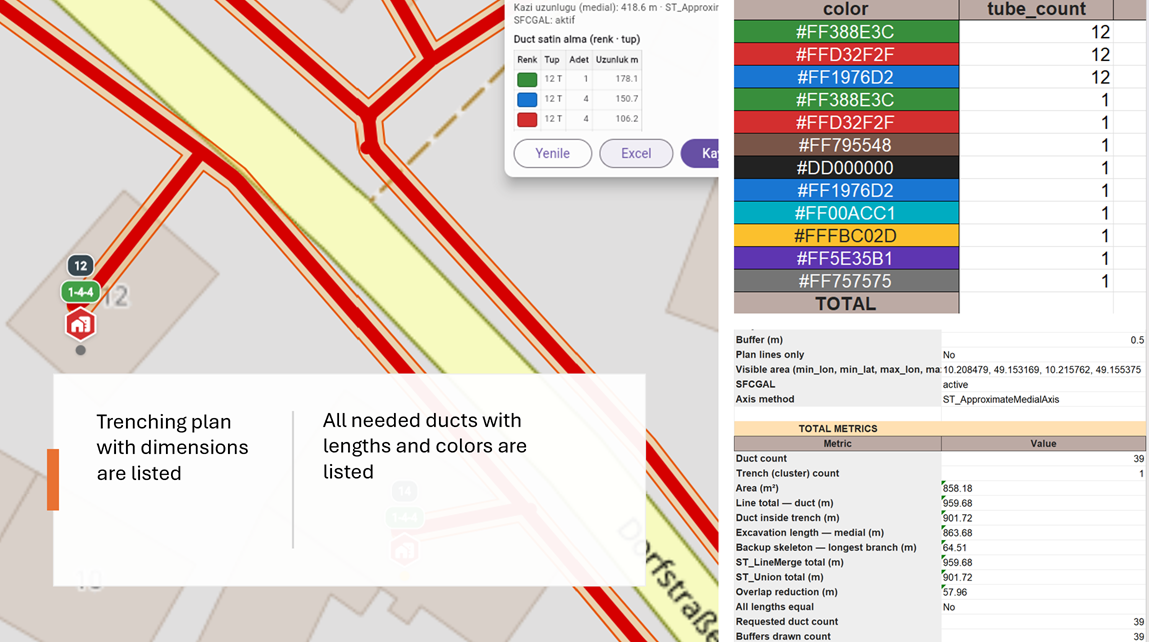
Trench lengths, duct counts, excavation and surface quantities are calculated automatically and color-coded by tube type – reliable costing and measurements at the push of a button.
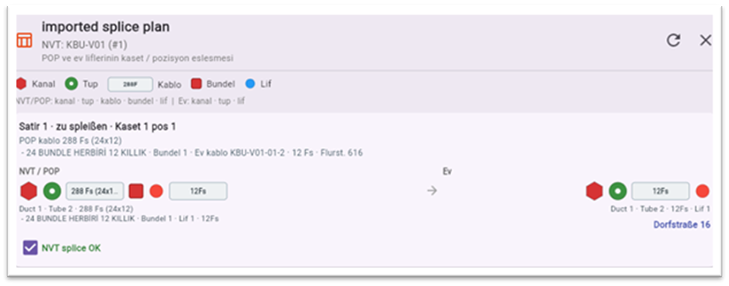
Cassette and fiber mapping from POP to OTO is managed digitally. Every completed splice is signed off (“NVT splice OK”) – error-free and fully traceable.
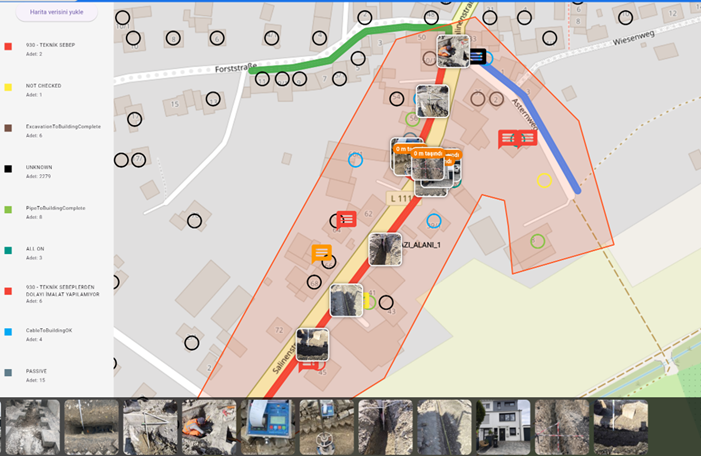
Each section carries a clear status (e.g. excavation complete, pipe in building, technical hold). Photos are precisely located – progress is visible in real time.
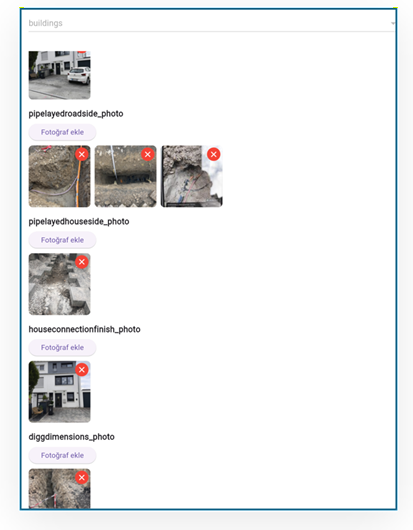
Standardized mandatory photos for each construction phase – from duct laying through the home connection to surface restoration – ensure an audit-proof handover.
All physical components meet strict European and international requirements – for a durable, high-performance network.
| Infrastructure Layer | Technical Specifications & Standards Enforced |
|---|---|
| Civil Works & Ducting | High-strength HDPE multi-ducts, execution to DIN standards, precise depth profiles for optimal frost and load protection. |
| Fiber Optic Class | Single-mode fiber (ITU-T G.652.D or bend-insensitive G.657.A1/A2), minimal attenuation at 1310 nm, 1550 nm and 1625 nm. |
| Supported Topologies | Point-to-Point (P2P) and Point-to-Multipoint (P2MP) for next-generation XGS-PON and GPON active equipment. |
| Quality & Diagnostics | Multi-wavelength OTDR testing, connector end-face inspection to IEC 61300-3-35 to prevent reflection anomalies. |
Five clearly defined phases – each phase is documented in NexPM and handed over seamlessly to the next.
Digital topography assessment, GIS route planning and permit management.
Ground preparation, micro-trenching, sub-duct routing and professional surface restoration.
Pneumatic fiber installation followed by precise, low-loss fusion splicing.
Strict OTDR validation, attenuation profiling and performance auditing of every link.
Instant handover of complete as-built data and test logs to the client via NexPM.